
09 Mar 2026
Pregnancy is a beautiful journey filled with anticipation and hope. However, for some women, certain medical conditions or unexpected developments can make this journey more complex. Managing pregnancy complications requires timely diagnosis, continuous monitoring, and expert medical supervision to ensure the safety of both mother and baby.
At Aabind Hospital, Palakkad, we provide comprehensive maternity care with a strong focus on early detection and effective management of pregnancy-related complications. Under the guidance of the Best Obstetrician in Palakkad, expectant mothers receive personalised care plans designed to minimise risks and support healthy delivery outcomes.
Pregnancy complications refer to health problems that occur during pregnancy and may affect the mother, baby, or both. While many pregnancies progress smoothly, some women may develop conditions that require closer medical attention.
Complications can arise due to:
Early and regular antenatal visits play a crucial role in identifying potential risks before they become serious.
Gestational diabetes develops when blood sugar levels rise during pregnancy. If not managed properly, it can lead to:
Management includes dietary planning, glucose monitoring, and medical supervision.
High blood pressure during pregnancy can affect organ function and restrict blood flow to the baby.
Symptoms may include:
Timely monitoring prevents severe complications and ensures safe delivery planning.
Labor that begins before 37 weeks of pregnancy is considered preterm. Early medical intervention can help delay delivery and improve neonatal outcomes.
Issues such as placenta previa or placental abruption can cause bleeding and require immediate medical care.
Low hemoglobin levels can cause fatigue, weakness, and affect fetal growth. Iron supplementation and nutritional guidance are essential for correction.
Thyroid imbalance may interfere with fetal development and increase risks if untreated.
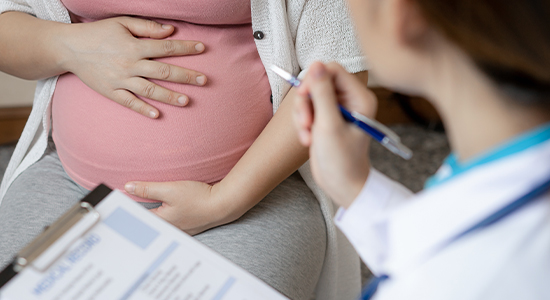
Routine antenatal check-ups allow doctors to:
At Aabind Hospital, advanced diagnostic tools and experienced obstetric care ensure that complications are detected early and managed promptly.
Each pregnancy is unique. Treatment plans are tailored based on:
Regular ultrasound scans, fetal monitoring, and laboratory tests help track maternal and fetal wellbeing.
Balanced nutrition and safe physical activity recommendations support maternal health and fetal development.
Where required, safe medications are prescribed with careful monitoring to reduce risks.
A fully equipped maternity unit ensures immediate intervention if complications arise during labor or delivery.
Pregnancy complications can cause stress and anxiety. Emotional wellbeing is equally important. At Aabind Hospital, we provide:
A supportive environment reduces stress and promotes positive pregnancy outcomes.
Pregnant women should seek urgent medical care if they experience:
Prompt evaluation can prevent serious complications.
In some high-risk pregnancies, doctors may recommend planned delivery through induction or Caesarean section to ensure safety.
Delivery planning is based on:
Close supervision by the Best Obstetrician in Palakkad ensures the safest approach for both mother and child.
Pregnancy complications can be challenging, but with the right medical guidance, most risks can be managed effectively. Early diagnosis, consistent monitoring, and personalised treatment are the keys to a safe and healthy pregnancy.
Under the expert supervision of Dr. Aaba S Dev at Aabind Hospital, expectant mothers receive comprehensive, compassionate, and advanced maternity care.
If you are expecting or planning a pregnancy and have concerns about potential complications, consult the Best Obstetrician in Palakkad at Aabind Hospital for expert guidance and comprehensive maternity care.
Schedule your antenatal appointment at Aabind Hospital, Palakkad, and take the first step toward a safe and confident pregnancy journey.
Yes. With proper diet, regular monitoring, and medical supervision, gestational diabetes can be effectively managed during pregnancy to protect the health of both mother and baby.
If untreated, high blood pressure during pregnancy can lead to serious complications such as preeclampsia. Regular monitoring, lifestyle management, and medication help control it safely.
Typically, pregnant women visit an obstetrician once a month in the early stages, with visits becoming more frequent during later stages or in high-risk pregnancies.
Yes. Certain pregnancy complications may require a planned C-section or early delivery to ensure the safety of both the mother and the baby.
