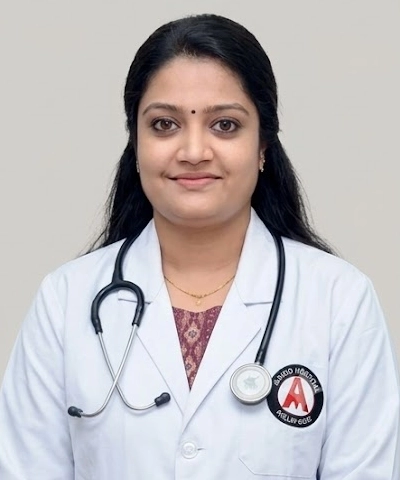
At Aabind Hospital, we provide comprehensive ultrasound and imaging services for patients of all ages. Recognized as one of the best scanning centres in Palakkad, our facility combines advanced technology with experienced radiologists to ensure accurate, safe, and timely results.

Our scanning services are designed to help diagnose, monitor, and manage a wide range of health conditions. Whether it’s for abdominal, musculoskeletal, neck, scrotum, or fetal imaging, every scan is performed with precision and care.
An abdominal ultrasound is a safe and painless scan that uses sound waves to create detailed pictures of the organs inside your abdomen. It allows doctors to carefully examine important organs such as the liver, gallbladder, pancreas, kidneys, spleen, uterus, ovaries, and urinary bladder.
This test is commonly advised if you experience symptoms like stomach pain, bloating, frequent urination, unexplained nausea, or abnormal blood test results. It helps in diagnosing and monitoring conditions such as:
Before Your Test
MSK ultrasound is a safe, non-invasive scan that uses sound waves to image joints, muscles, tendons, ligaments, and soft tissues. It’s recommended for pain, swelling, stiffness, or limited movement in areas like the shoulder, elbow, wrist, hip, knee, or ankle. Common conditions detected include:
A neck ultrasound is a simple and safe test that uses sound waves to create images of the structures in your neck. It is most commonly used to examine the thyroid gland, but it can also help assess nearby lymph nodes, salivary glands, and soft tissues.
Doctors may recommend this scan if you have swelling in the neck, difficulty swallowing, unexplained lumps, or thyroid-related symptoms. It is helpful in detecting and monitoring:
A scrotum (testicular) ultrasound is a safe, painless scan that uses sound waves to image the testicles and surrounding tissues. It’s commonly used to evaluate pain, swelling, lumps, or changes in size/shape, and can detect:
A Doppler ultrasound evaluates blood flow in vessels and organs, helping detect blockages, clots, or narrowing. Common types include:
It helps diagnose and monitor conditions like DVT, peripheral arterial disease, carotid artery narrowing, abdominal vascular disorders, and varicose veins.
Ultrasound is essential for monitoring pregnancy and ensuring the health of both mother and baby. At Aabind Hospital, one of the best pregnancy scan centers in Palakkad, we offer advanced fetal ultrasound services for every stage of pregnancy. Our Fetal Medicine Scan provides accurate diagnostics with compassionate care.
Choose Aabind Hospital for high-quality radiology services in Palakkad. Our blend of precision technology and compassionate care helps you get the answers you need quickly and confidently. Contact us today to schedule your appointment or learn more about our radiology facilities.
At Aabind Hospital, we are committed to delivering accurate, safe, and patient-friendly diagnostic imaging through our state-of-the-art Digital X-ray systems. As a cornerstone of modern healthcare, digital radiography helps detect bone fractures, infections, tumors, and various abnormalities in the chest, abdomen, and joints. With our advanced technology and expert radiologists, we ensure fast results, superior image clarity, and reliable diagnoses that support effective treatment planning.
Digital X-ray technology is a significant upgrade from conventional film-based imaging. It captures high-resolution images within seconds, enabling doctors to view, store, and share them electronically. This streamlined process improves diagnosis speed and reduces waiting time for patients. At Aabind Hospital, we integrate X-ray images into our secure Electronic Health Records (EHR), allowing seamless collaboration between departments and quick access to your medical history.
Our Digital X-ray services in Palakkad cover a wide range of diagnostic needs, including:
1. Is ultrasound safe for all ages?
Yes. Ultrasound is a non-invasive and radiation-free imaging technique, making it safe for children, adults, and even pregnant women.
2. How long does an ultrasound scan take?
Most scans typically take 15–30 minutes, depending on the type of scan and the area being examined. Some complex scans, such as fetal anomaly or Doppler studies, may take a little longer.
3. Can ultrasound detect pregnancy complications?
Yes. Fetal and pregnancy ultrasounds at Aabind Hospital help monitor your baby’s growth, detect abnormalities, assess blood flow, and identify high-risk conditions for timely intervention.
4. When should I schedule my first pregnancy ultrasound?
It’s recommended to schedule the first ultrasound within the first trimester (usually 6–12 weeks) to confirm pregnancy, check viability, and estimate due dates.
5. Do you offer specialized scans for high risk pregnancies?
Yes. We provide advanced fetal echocardiography, neurosonography, Doppler studies, and multiple pregnancy assessments to ensure both mother and baby receive the best care.