22 Jun 2026

Women’s health conditions related to hormones and metabolism are gaining increased attention worldwide. For many years, Polycystic Ovary Syndrome (PCOS) has been recognized as one of the most common hormonal disorders affecting women of reproductive age. However, recent discussions among experts have highlighted that the term “PCOS” may not fully reflect the complexity of the condition.
As a result, many healthcare professionals and researchers are now advocating for the term Polyendocrine Metabolic Ovarian Syndrome (PMOS). This updated terminology emphasizes the condition’s broader impact on hormonal balance, metabolism, fertility, and long-term health.
At Aabind Hospital, the Obstetrics and Gynecology team provides comprehensive evaluation, lifestyle counselling, fertility support, pregnancy care, and personalized treatment plans for women with PMOS, helping them manage symptoms and reduce the risk of long-term health and pregnancy complications.
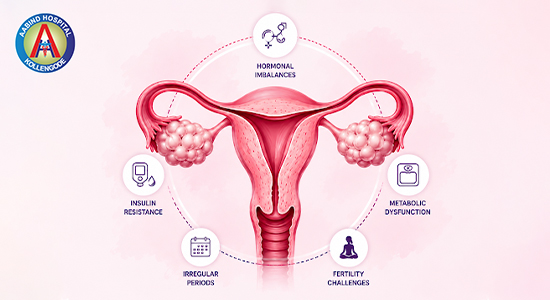
Polyendocrine Metabolic Ovarian Syndrome (PMOS) is a complex condition that affects multiple hormonal systems within the body. Unlike the traditional understanding of PCOS as primarily an ovarian disorder, PMOS recognizes that the condition involves:
The term “polyendocrine” highlights the involvement of several hormone-producing glands, while “metabolic” reflects the significant role of metabolism and insulin regulation.
The term PCOS has been used for decades, but many experts believe it does not accurately describe the full scope of the condition.
Many women diagnosed with PCOS:
The name “Polycystic Ovary Syndrome” often focuses attention solely on ovarian cysts, which may not be present in every patient.
The term PMOS better reflects:
This broader perspective helps healthcare providers address the condition more comprehensively rather than focusing only on ovarian symptoms.
The exact cause of PMOS remains unclear, but several factors are believed to contribute.
Many women with PMOS have insulin resistance, where the body’s cells do not respond effectively to insulin.
This can lead to:
Insulin resistance is considered one of the key drivers of PMOS symptoms.
PMOS often involves abnormal levels of:
These hormonal changes can interfere with normal ovulation and menstrual cycles.
Research suggests that PMOS can run in families.
Women with a family history of:
May have a higher risk of developing the condition.
Low-grade inflammation may contribute to:
This inflammatory response can worsen symptoms over time.
Symptoms can vary significantly from one woman to another.
Many women experience:
Irregular ovulation is one of the most common signs.
PMOS often affects metabolism, making weight management challenging despite healthy eating and exercise efforts.
Increased androgen levels can cause:
This condition is known as hirsutism.
Hormonal imbalances may trigger:
Some women experience:
Due to elevated androgen levels.
PMOS can affect ovulation, making conception more difficult for some women.
However, many women with PMOS successfully achieve pregnancy with appropriate treatment and lifestyle modifications.
Dark areas of skin may appear around:
This condition, called acanthosis nigricans, is often linked to insulin resistance.
There is no single test that confirms PMOS.
Diagnosis usually involves a combination of clinical evaluation, medical history, and investigations.
Your gynecologist may ask about:
The examination may evaluate:
Laboratory tests may assess:
An ultrasound may be recommended to evaluate ovarian appearance and rule out other conditions.
However, not all women with PMOS have polycystic ovaries.
Without proper management, PMOS may increase the risk of:
Insulin resistance can contribute to elevated blood sugar levels over time.
PMOS may be associated with:
Irregular ovulation may make conception more difficult.
Infrequent menstrual cycles can increase the risk of abnormal uterine lining changes.
Women with PMOS may experience:
Comprehensive care should address both physical and emotional well-being. Women with PMOS may also face an increased risk of pregnancy complications such as gestational diabetes, high blood pressure, miscarriage, and preterm birth, making early diagnosis and proper prenatal care essential.
While there is currently no cure, effective management can significantly improve symptoms and long-term health outcomes.
Focus on:
Reducing processed foods and refined sugars may help improve insulin sensitivity.
Physical activity can:
Aim for at least 150 minutes of moderate exercise per week.
Even modest weight loss can help:
Depending on symptoms and individual goals, treatment may include:
Treatment plans should always be personalized and supervised by a qualified healthcare professional.
Women trying to conceive may benefit from:
Early intervention can improve pregnancy outcomes.
PMOS is more than a reproductive health condition. It affects multiple hormonal and metabolic pathways throughout the body.
Early diagnosis allows:
Recognizing symptoms early can make a significant difference in long-term health.
The transition from PCOS to PMOS reflects a growing understanding that this condition involves much more than the ovaries alone. By recognizing the hormonal, metabolic, and reproductive aspects of the syndrome, healthcare providers can offer more comprehensive and personalized care.
If you are experiencing irregular periods, unexplained weight gain, fertility concerns, or other symptoms associated with PMOS, seeking professional medical advice is essential. Early diagnosis and appropriate management can help you take control of your health and reduce future complications.
Your body often gives early warning signs before hormonal and metabolic conditions become more serious. Irregular periods, unexplained weight gain, persistent acne, excessive hair growth, or fertility challenges may be more than everyday health concerns—they could be signs of PMOS.
If you’re looking for an experienced gynecologist in Palakkad ,for PMOS diagnosis and treatment the women’s health specialists at Aabind Hospital are here to help. Our team provides comprehensive evaluation, personalized treatment plans, lifestyle guidance, and ongoing support to help you manage PMOS effectively.
Take the next step toward better hormonal health. Schedule your consultation with our specialists today and begin your journey toward a healthier, more confident future.
No. PMOS affects multiple hormonal and metabolic systems and can impact blood sugar regulation, weight management, heart health, and overall well-being.
Yes. PMOS symptoms can begin during adolescence and may include irregular periods, severe acne, excessive hair growth, and weight gain.
Women with PMOS often have insulin resistance, which may increase their risk of developing prediabetes or Type 2 Diabetes if not properly managed.
Yes. Hormonal imbalances associated with PMOS may contribute to anxiety, depression, mood swings, and reduced self-confidence in some women.
Genetics may play a role. Women with a family history of PMOS, PCOS, diabetes, or metabolic disorders may have a higher likelihood of developing the condition.
Yes. With proper medical care, lifestyle management, and fertility support when needed, many women with PMOS successfully conceive and have healthy pregnancies.
No. Although weight gain is common, PMOS can affect women of all body types, including those with a healthy or normal weight.
Some reproductive symptoms may change after menopause, but metabolic concerns such as insulin resistance, diabetes risk, and cardiovascular health may still require ongoing monitoring.
Regular follow-ups are recommended to monitor hormone levels, metabolic health, menstrual patterns, fertility goals, and potential long-term complications. Your doctor can advise an appropriate schedule based on your individual needs.
