10 Sep 2026
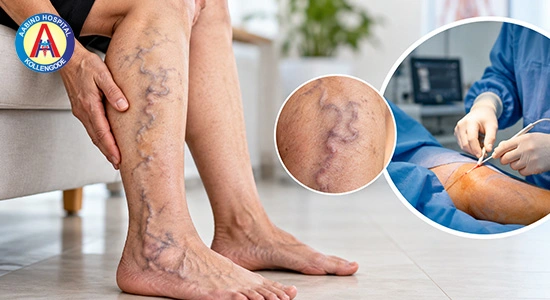
Varicose veins are more than a cosmetic concern for some people. They can cause ongoing discomfort and, in certain cases, lead to changes in the skin or other complications. While mild varicose veins may be managed with lifestyle measures and non-surgical treatments, more advanced cases may require a medical procedure.
Knowing the signs that indicate varicose veins may require surgery can help you seek treatment before symptoms become more difficult to manage.
In this blog, we explore when surgery may be considered for varicose veins, the warning signs to watch for, available treatment options, and when you should consult a general surgeon.
Varicose veins are enlarged, twisted veins that usually appear close to the surface of the skin, most commonly in the legs. They develop when the valves inside the veins do not work properly.
Normally, these valves help blood move upward toward the heart. When the valves become weak or damaged, blood can flow backward and collect in the veins. This increased pressure can cause the veins to become enlarged and visible.
Varicose veins may appear blue, purple, or dark in colour and can sometimes be accompanied by symptoms such as:
No. Many people with varicose veins do not need surgery.
If the veins are mild and are not causing significant symptoms or complications, a doctor may initially recommend conservative measures such as regular physical activity, maintaining a healthy weight, avoiding prolonged standing or sitting, and compression therapy where appropriate.
However, if symptoms become persistent, worsen over time, or lead to complications, a general surgeon may recommend an intervention.
The decision is based on factors such as the severity of the vein disease, symptoms, blood flow, underlying vein problems, and the patient’s overall health.
Surgery or another vein procedure may be considered when varicose veins are causing significant symptoms or complications.
Occasional discomfort may occur with varicose veins, particularly after prolonged standing. However, persistent or worsening leg pain should not be ignored.
If aching, throbbing, heaviness, or discomfort continues despite lifestyle changes or other conservative measures, further evaluation may be necessary.
A general surgeon can determine whether the symptoms are related to venous insufficiency and whether an intervention could provide relief.
Swelling in the feet, ankles, or lower legs can occur when blood and fluid accumulate because of poor venous circulation.
If swelling becomes frequent, severe, or progressively worse, it may indicate that the underlying vein problem requires medical treatment.
Persistent swelling can also contribute to skin changes and discomfort, making early assessment important.
Changes in the skin around the ankles and lower legs can occur in advanced venous disease.
You may notice:
These changes may indicate that the condition is affecting the surrounding tissues and should be assessed by a medical professional.
One of the more serious complications associated with chronic venous disease is a venous leg ulcer.
These wounds often develop around the ankle area and may heal slowly. If an ulcer is associated with underlying venous insufficiency, treating the affected veins may form an important part of management.
If you have a wound on your leg that is not healing properly, seek medical attention rather than attempting to manage it yourself.
Varicose veins can sometimes become fragile and bleed, particularly if the skin over the vein becomes thin.
Bleeding from a varicose vein can occasionally be significant. If this happens, apply firm direct pressure to the area and seek urgent medical care, particularly if the bleeding does not stop.
Recurrent bleeding may be a reason for specialist assessment and treatment of the underlying vein problem.
Some people with varicose veins develop inflammation and clotting in superficial veins, known as superficial thrombophlebitis.
This can cause a vein to become painful, hard, red, and tender.
Repeated episodes should be evaluated because they may indicate more significant venous disease and may require treatment to reduce the risk of recurrence.
Varicose veins may become more than a medical issue when symptoms begin interfering with everyday life.
For example, you may find it difficult to:
When symptoms significantly affect your quality of life, discussing treatment options with a general surgeon may be appropriate.
Doctors may initially recommend non-surgical measures depending on the severity of your condition.
If symptoms continue or worsen despite appropriate conservative treatment, additional treatment may be considered.
A specialist may perform further evaluation to identify the veins responsible for the symptoms and determine whether a procedure is appropriate.
Before recommending a procedure, a general surgeon will generally evaluate your symptoms and examine the affected veins.
An ultrasound scan is commonly used to assess blood flow through the veins and identify problems such as venous reflux. Learn more about how Aabind Hospital’s imaging and scanning services support timely diagnosis.
The results can help the specialist understand:
The treatment plan should be based on the findings rather than on the appearance of the veins alone.
Treatment depends on the cause and severity of the condition. Surgery is not necessarily the first or only option.
For mild symptoms, doctors may recommend measures such as:
These measures may help manage symptoms but may not correct an underlying faulty vein valve.
Sclerotherapy involves injecting a solution into an affected vein to close it. It is commonly used for certain smaller varicose or spider veins.
The suitability of this treatment depends on the size, location, and characteristics of the affected veins.
Endovenous laser treatment, often referred to as EVLT or EVLA, uses laser energy to close an abnormal vein.
It is a minimally invasive approach and may be suitable for certain patients with problematic superficial veins.
Radiofrequency ablation uses heat generated by radiofrequency energy to close the affected vein.
Like other minimally invasive procedures, whether it is appropriate depends on the patient’s vein anatomy and ultrasound findings.
In some cases, traditional surgical procedures may be considered, particularly when minimally invasive treatment is not appropriate.
Your general surgeon can explain the expected benefits, risks, recovery period, and alternatives before treatment.
The term “varicose vein surgery” is often used broadly, but many modern treatments are minimally invasive rather than traditional open surgery.
| Treatment | General Approach |
|---|---|
| Lifestyle management | Helps control symptoms and support circulation |
| Compression therapy | May help reduce swelling and discomfort |
| Sclerotherapy | Injection-based treatment for selected veins |
| Laser treatment | Uses laser energy to close an affected vein |
| Radiofrequency ablation | Uses thermal energy to close an affected vein |
| Surgical treatment | Removes or treats problematic veins when appropriate |
The most suitable option varies from person to person. A vein assessment is important before deciding on treatment.
Not every untreated varicose vein will lead to complications. However, symptomatic or advanced venous disease can progress in some individuals.
Possible complications can include:
This does not mean that every person with varicose veins needs an operation. Instead, persistent or worsening symptoms should be assessed so that appropriate treatment can be considered.
Consider consulting a general surgeon if you experience:
Early evaluation can help identify the underlying cause and determine whether treatment is necessary. If you’re due for a general check-up, see our guide on why regular health check-ups matter.
Sudden or severe symptoms should not automatically be assumed to be caused by ordinary varicose veins.
Seek urgent medical attention if you develop sudden swelling or pain in one leg, particularly if it is accompanied by warmth or redness. If leg symptoms occur along with chest pain, difficulty breathing, coughing up blood, fainting, or sudden unexplained shortness of breath, seek emergency medical care immediately.
These symptoms can be associated with potentially serious blood-clot complications and require prompt evaluation.
While not all varicose veins can be prevented, certain habits may help support healthy circulation and manage symptoms.
Walking and regular movement can help promote blood flow through the legs.
If your work requires prolonged sitting or standing, take regular movement breaks when possible.
Maintaining a healthy weight can reduce additional pressure on the veins and support overall cardiovascular health.
Raising your legs while resting may help reduce swelling for some people.
If a doctor recommends compression therapy or another treatment, use it according to their instructions.
Pain can be an indication that the veins require medical evaluation, but pain alone does not automatically mean surgery is necessary. A general surgeon can determine the underlying cause and recommend appropriate treatment.
No. Several minimally invasive treatment options are available, including sclerotherapy, laser-based treatments, and radiofrequency ablation. The appropriate approach depends on the patient’s condition.
Apply firm direct pressure to the bleeding area and seek medical attention, especially if the bleeding is heavy or does not stop. Recurrent bleeding requires evaluation by a medical professional.
Yes. Venous problems can contribute to swelling in the legs and ankles. Persistent or worsening swelling should be evaluated to determine the underlying cause.
Advanced chronic venous disease can contribute to venous leg ulcers, particularly around the ankle. A non-healing leg wound should be assessed by a healthcare professional.
Varicose veins develop when vein valves weaken, and several factors can increase the risk, including family history, prolonged standing, pregnancy, age, and obesity. A family history of varicose veins may increase the likelihood of developing them, though not everyone with a genetic predisposition will be affected.
Recovery varies depending on the type of treatment. Minimally invasive procedures such as sclerotherapy, laser treatment, or radiofrequency ablation typically involve a shorter recovery period than traditional surgery. Your general surgeon can explain what to expect based on the specific procedure recommended.
It is possible for new varicose veins to develop over time, even after successful treatment, since treatment addresses the affected veins rather than the underlying tendency toward venous insufficiency. Regular follow-up and healthy lifestyle habits may help reduce the likelihood of recurrence.
Varicose veins can affect both men and women, but hormonal changes, increased blood volume, and pressure from the growing uterus make them more common during pregnancy. In many cases, pregnancy-related varicose veins improve on their own after delivery, though persistent symptoms should still be evaluated.
Varicose veins can often be managed without surgery, but persistent symptoms should not be ignored. Ongoing leg pain, swelling, skin changes, ulcers, bleeding, or recurrent complications may indicate that the condition needs specialist evaluation and treatment.
With proper assessment, a general surgeon can identify the underlying vein problem and recommend the most appropriate option, whether that involves lifestyle management, minimally invasive treatment, or surgery.
If your varicose veins are becoming painful or affecting your daily activities, getting evaluated early can help you understand your condition and explore suitable treatment options.
Experiencing painful or troublesome varicose veins? Don’t wait for the symptoms to worsen. Consult the surgical care team at Aabind Hospital for a proper evaluation and personalised treatment plan.
Book an appointment with Aabind Hospital today and take the next step toward healthier, more comfortable legs.
