23 Nov 2026

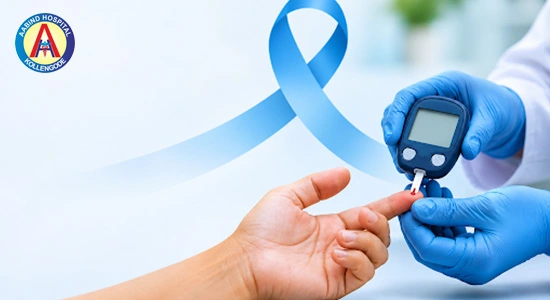
Regular blood sugar testing helps detect prediabetes and diabetes early, even before symptoms appear. Tests such as Fasting Blood Sugar (FBS), HbA1c and Oral Glucose Tolerance Test (OGTT) help assess glucose levels and identify potential health risks. Early detection allows individuals to seek timely medical advice and take appropriate steps to protect their long-term health.
World Diabetes Day 2026, observed on November 14, highlights the importance of understanding and monitoring blood sugar levels. Diabetes can develop gradually without noticeable symptoms, making regular blood sugar testing essential for early detection and timely medical evaluation.
At Aabind Hospital, our Department of Diabetology emphasises the importance of regular blood sugar screening and diabetes awareness. Understanding the different tests available and knowing when to get tested can help you make informed decisions about your health and support better long-term well-being.
Blood sugar testing measures the amount of glucose present in your blood. Glucose is the body’s primary source of energy, but consistently elevated levels may indicate problems with how the body produces or uses insulin.
Regular testing is important because type 2 diabetes and prediabetes may not cause noticeable symptoms in their early stages.
Here are some reasons why blood sugar testing matters:
Regular testing is not only important for people already diagnosed with diabetes. It also plays a role in preventive healthcare.
| Test | What it measures | How to prepare |
|---|---|---|
| Fasting Blood Sugar (FBS) | Blood sugar after at least 8 hours without food | Overnight fast; water is fine |
| Post-Meal Blood Sugar (PPBS) | Blood sugar about 2 hours after a meal | Eat your usual meal and note the time |
| HbA1c | Average blood sugar over the past 2–3 months | Usually no fasting needed |
| Oral Glucose Tolerance Test (OGTT) | How your body handles a measured glucose drink | Fasting, then a timed series of samples |
| Random Blood Sugar (RBS) | Blood sugar at any time of day | None |
No single test is “best”. Doctors often combine them. HbA1c shows the longer-term pattern, while fasting and post-meal tests show how your body responds day to day.
Understanding your blood test report can help you know when further medical evaluation may be necessary.
The following reference values are commonly used for diagnosing prediabetes and diabetes in non-pregnant adults.
| Test | Normal range | Prediabetes range | Diabetes range |
|---|---|---|---|
| Fasting blood glucose | Below 100 mg/dL | 100–125 mg/dL | 126 mg/dL or above |
| HbA1c | Below 5.7% | 5.7–6.4% | 6.5% or above |
| 2-hour OGTT | Below 140 mg/dL | 140–199 mg/dL | 200 mg/dL or above |
Anyone can develop diabetes, but certain people may have a higher risk. Screening is particularly important for individuals with relevant medical or family histories.
You should discuss blood sugar testing with your doctor if you:
Pregnant women are usually screened during pregnancy, so speak with our Obstetrics and Gynaecology team about the right timing.
Yes. Many people with prediabetes and type 2 diabetes may not experience noticeable symptoms during the early stages.
Blood glucose levels can remain elevated for a considerable period before a person recognises any changes in their health.
Some common symptoms associated with high blood sugar include:
However, the absence of these symptoms does not necessarily mean your blood sugar is normal.
This is why screening based on age and individual risk factors is important, even when you feel healthy.
World Diabetes Day is a reminder that diabetes awareness should go beyond recognising symptoms. Knowing your risk factors, understanding available tests and attending recommended health screenings can make a meaningful difference.
A simple blood test can provide important information about your health, even when you feel well. Rather than waiting for symptoms to appear, speak with your healthcare professional about whether you need diabetes screening.
Understanding your blood sugar levels is an important step towards making informed decisions about your health.
At Aabind Hospital, Kollengode, Palakkad, the Diabetology Department provides diabetes screening, diagnostic evaluation, blood glucose monitoring and personalised medical guidance. Our healthcare team can help assess your risk factors, interpret test results and recommend appropriate next steps based on your individual needs.
If you have a family history of diabetes, previous abnormal glucose readings or concerns about your blood sugar levels, consider scheduling a consultation.
Contact Aabind Hospital today to enquire about diabetes screening and medical consultation.
HbA1c, fasting plasma glucose and the oral glucose tolerance test are commonly used to detect diabetes and prediabetes. The appropriate test depends on your medical history, symptoms and clinical requirements.
Yes. Screening tests can identify elevated blood glucose in people who do not have noticeable symptoms. Early detection can help identify prediabetes or diabetes and guide timely medical care.
No. HbA1c testing generally does not require fasting because it measures average blood glucose over approximately two to three months rather than glucose at a single moment.
A fasting blood sugar test measures glucose after an overnight fast, while HbA1c estimates average blood glucose over the previous two to three months. Both provide different information and may be used together.
The frequency depends on age and individual risk factors. Adults with normal results may be screened at intervals recommended by their doctor, while people with additional risk factors may need more frequent testing.
For non-pregnant adults, a fasting plasma glucose level below 100 mg/dL is generally considered normal. Results should always be interpreted in the context of the laboratory test and clinical assessment.
Yes. Acute illness, physical stress and certain medications can affect blood glucose levels. Inform your healthcare professional about recent illnesses and medicines when discussing your test results.
Yes. Prediabetes and type 2 diabetes may develop without obvious symptoms. Screening is important for people with risk factors, even if they feel healthy.
Consult a doctor if your blood sugar result is above the recommended reference range, if you have repeated abnormal readings or if you experience symptoms such as excessive thirst, frequent urination, unexplained weight loss or persistent fatigue.
