13 Oct 2026

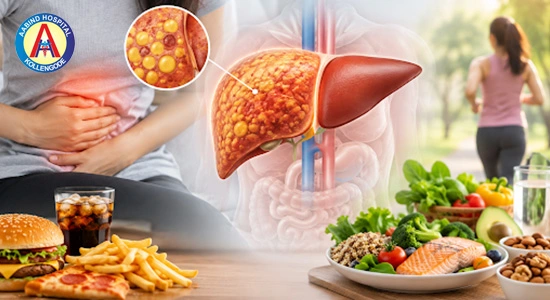
Fatty liver disease is a build-up of excess fat in the liver. In the early stage, it usually causes no symptoms and is often found by chance on an ultrasound scan or an abnormal liver blood test. Possible early signs include tiredness, a feeling of fullness and mild discomfort in the upper right abdomen. In most people, gradual weight loss, regular exercise, less sugar and refined food, and avoiding alcohol can reduce liver fat and often reverse the condition.
Your liver filters blood, processes nutrients and medicines, stores energy and produces bile for digestion. When excess fat accumulates in the liver, it can lead to fatty liver disease.
Fatty liver often causes no early symptoms and may be detected through routine blood tests or ultrasound scans. It can affect even younger adults and people who are not overweight, making early detection and proper liver care important.
The encouraging part is that early-stage fatty liver disease can often improve with appropriate lifestyle changes. Understanding its early signs, diagnosis and treatment options is essential for protecting long-term liver health. This guide covers early signs, diagnosis and practical lifestyle fixes, including how a gastroenterologist can help manage liver health.
Fatty liver disease (also called hepatic steatosis) means fat has built up inside liver cells. There are two main groups:
Some people have both. A more serious form of MASLD, where the liver becomes inflamed, was earlier called NASH and is now called MASH.
| Stage | What is happening | Reversible? |
|---|---|---|
| Simple fatty liver (steatosis) | Fat builds up in liver cells with little or no inflammation | Yes, often fully |
| Steatohepatitis (MASH) | Fat plus inflammation and liver cell damage | Often yes, with sustained lifestyle change |
| Fibrosis | Repeated inflammation causes scar tissue to form | Can improve, particularly in early fibrosis |
| Cirrhosis | Extensive, permanent scarring; liver function may fail | No, but progression can be slowed |
Most people with fatty liver stay at the first stage. A smaller number progress, which is why early detection matters.
Fatty liver disease is often described as a silent condition because many people have no symptoms during its early stages. When symptoms do occur, they may be mild and difficult to distinguish from other health problems.
1. Persistent Fatigue
Unusual tiredness or low energy may occur in some people with fatty liver disease. However, fatigue is a non-specific symptom and can also be associated with anaemia, sleep problems, thyroid disorders and other medical conditions.
If you frequently feel exhausted despite getting enough rest, consult a healthcare professional to identify the underlying cause.
2. Discomfort in the Upper-Right Abdomen
Some individuals experience a dull ache, discomfort or a feeling of fullness in the upper-right side of the abdomen, where the liver is located.
This symptom does not necessarily indicate fatty liver disease. Abdominal discomfort can have several causes, so medical assessment is important if it persists or becomes severe.
3. Unexplained Changes in Weight or Metabolic Health
Fatty liver disease is frequently associated with excess body weight, particularly fat around the waist. It is also linked to insulin resistance, high triglycerides and type 2 diabetes.
These factors are not symptoms of liver disease themselves, but they may indicate an increased risk of developing fatty liver disease.
4. Abnormal Liver Blood Test Results
Some people discover they have fatty liver disease after blood tests show elevated liver enzymes. These results may suggest liver irritation or injury and require further evaluation.
Importantly, normal liver enzyme levels do not always rule out fatty liver disease or significant liver scarring.
5. Signs of Advanced Liver Damage
If liver disease progresses to advanced fibrosis or cirrhosis, additional symptoms may develop, including:
These symptoms require prompt medical assessment. Seek urgent medical care for severe symptoms, including confusion, vomiting blood or black, tarry stools.
Fatty liver is mainly a metabolic problem. When the body takes in more energy than it uses, and cells respond poorly to insulin (insulin resistance), the liver starts storing extra fat. You are at higher risk if you have:
People of South Asian origin tend to store fat around the abdomen and the liver even at a lower body weight. So you can have fatty liver without being obese, and a normal BMI does not rule it out.
Because early fatty liver disease often has no obvious symptoms, medical testing is important for identifying the condition and assessing the risk of liver damage.
1. Medical History and Physical Examination
A doctor may review your medical history, diet, physical activity, alcohol consumption, medications and existing health conditions.
Weight, waist circumference and signs of insulin resistance may also be assessed.
2. Liver Function Blood Tests
Blood tests may measure liver enzymes and other indicators of liver health. Additional tests may be required to assess blood sugar, cholesterol and other possible causes of liver abnormalities.
Blood tests alone cannot reliably determine whether fatty liver disease is present or how much scarring has developed.
3. Abdominal Ultrasound
An abdominal ultrasound can help identify excess fat in the liver. It is a commonly used imaging test when fatty liver disease is suspected.
However, ultrasound may not detect mild fat accumulation and cannot reliably exclude significant fibrosis.
4. Fibrosis Assessment
Doctors may use blood-based scoring systems or specialised imaging tests, such as transient elastography, to estimate the likelihood of liver scarring.
These tests help determine whether further specialist assessment is necessary.
5. Liver Biopsy
A liver biopsy may be considered in selected cases when the diagnosis remains uncertain or more detailed information about inflammation and liver damage is needed. It is not required for every patient.
The appropriate tests depend on your symptoms, risk factors and initial results.
Lifestyle changes are central to managing metabolic fatty liver disease. The goal is to improve metabolic health, reduce excess liver fat and lower the risk of inflammation and scarring.
1. Aim for Gradual, Sustainable Weight Loss
If you are overweight or obese, gradual weight loss can help reduce liver fat. Losing approximately 3–5% of body weight may reduce liver fat, while greater weight loss may be needed to improve inflammation and fibrosis in some individuals.
Avoid crash diets and rapid weight-loss programmes. A sustainable approach based on balanced meals, appropriate portions and regular activity is generally safer and easier to maintain.
A healthcare professional can help you establish a suitable weight-management goal.
2. Follow a Balanced, Liver-Friendly Diet
A balanced diet can support liver health and help manage blood sugar and cholesterol.
Include more:
Limit foods high in saturated fat, trans fat, added sugar and excess calories.
For everyday meals, consider choosing steamed, grilled or lightly cooked foods more often than deep-fried options.
3. Reduce Sugary Drinks and Added Sugar
Sugary beverages can contribute to excess calorie intake and metabolic problems. Regularly consuming sweetened soft drinks, energy drinks, sweetened tea and other high-sugar beverages may make liver health harder to manage.
Choose water or unsweetened drinks more often. Whole fruit is generally preferable to fruit juice because it provides fibre and is easier to consume in moderate portions.
Reducing added sugar is a practical step that can support both liver and overall metabolic health.
4. Exercise Regularly
Physical activity can help reduce liver fat and improve insulin sensitivity, even when significant weight loss does not occur.
For most adults, a useful goal is at least 150 minutes of moderate-intensity activity per week, provided it is appropriate for their health and fitness level.
Activities may include:
Strength-training activities can also support muscle health and metabolic function.
If you are currently inactive, start with shorter sessions and gradually increase the duration. Consult a healthcare professional before beginning strenuous exercise if you have significant health concerns.
5. Manage Blood Sugar and Cholesterol
Fatty liver disease is closely linked to metabolic health. Managing diabetes, high blood pressure and abnormal cholesterol levels can help reduce the risk of associated complications.
Follow your prescribed treatment plan, attend recommended check-ups and monitor your blood sugar or cholesterol when advised.
Do not stop prescribed medication because of a fatty liver diagnosis without consulting your doctor. Some medicines may be important for controlling other health conditions and reducing cardiovascular risk.
6. Avoid Alcohol or Discuss It With Your Doctor
Alcohol can worsen liver injury, particularly when liver disease is already present. Avoiding alcohol is the safest option for people with alcohol-related liver disease and may be advised for others depending on the severity and cause of their condition.
Discuss alcohol consumption with your doctor to understand what is appropriate for your individual situation.
7. Avoid Unverified Liver Detox Products
Liver detox drinks, herbal supplements and unregulated remedies are often promoted as ways to remove liver fat. However, there is no reliable evidence that such products can replace medical evaluation and proven lifestyle changes.
Some supplements and herbal products can cause liver injury or interact with medications.
Before taking any supplement marketed for liver cleansing or fat reduction, consult a qualified healthcare professional.
8. Prioritise Sleep and Long-Term Healthy Habits
Consistent sleep, regular meals and manageable daily routines can support metabolic health. Poor sleep may also be associated with weight gain and blood sugar problems.
Focus on habits you can maintain over time rather than trying multiple restrictive diets or short-term detox plans.
In many people, early metabolic fatty liver disease can improve with appropriate lifestyle changes. Reducing excess weight, improving diet quality and increasing physical activity may lower liver fat.
The degree of improvement depends on the stage of disease and the presence of inflammation or fibrosis. Advanced scarring may not be fully reversible, although appropriate management can help reduce further injury and complications.
This is why identifying the condition early and following a personalised care plan are important.
Arrange a medical consultation if you:
Seek urgent medical attention if you develop jaundice, significant abdominal swelling, confusion, vomiting blood or black stools.
Regular follow-up may include blood tests, imaging or fibrosis assessment, depending on your condition. Monitoring helps your doctor evaluate progress and decide whether additional treatment is required.
Early-stage fatty liver disease can often improve with lifestyle changes, including gradual weight loss, a balanced diet and regular exercise. The extent of improvement depends on the severity of liver damage.
Vegetables, whole fruits, whole grains, pulses, lean proteins, nuts and foods containing unsaturated fats can support liver health. Limiting sugary drinks, highly processed foods and excess saturated fat is also beneficial.
Yes. Regular walking can help improve insulin sensitivity, support weight management and reduce liver fat. Aim for consistent physical activity and gradually increase your activity level according to your health and fitness.
Doctors may use blood tests, abdominal ultrasound and specialised tests to assess liver scarring. In selected cases, additional investigations may be necessary to determine the severity and underlying cause.
Yes. Fatty liver disease can affect people with a normal body weight, particularly when other metabolic risk factors are present. A medical assessment can help identify individual risk factors.
Some people remain stable, while others develop inflammation, liver scarring or cirrhosis. Early diagnosis, appropriate lifestyle changes and regular medical monitoring can help reduce the risk of complications.
Consult a doctor if you have abnormal liver test results, fatty liver detected on a scan, diabetes, high cholesterol or persistent symptoms. Seek urgent medical attention for jaundice, severe abdominal swelling, confusion or vomiting blood.
Fatty liver disease may not cause noticeable symptoms in its early stages, but ignoring it can increase the risk of long-term liver complications in some people. Recognising the risk factors, adopting healthy lifestyle habits and seeking timely medical advice can help you manage the condition more effectively. Consistent care is key to protecting your liver health.
Have you been diagnosed with fatty liver disease or noticed abnormal liver test results? Aabind Hospital can be your starting point for seeking appropriate medical evaluation and personalised guidance.
Contact Aabind Hospital today to enquire about a consultation and learn more about caring for your liver.
