22 Jun 2026

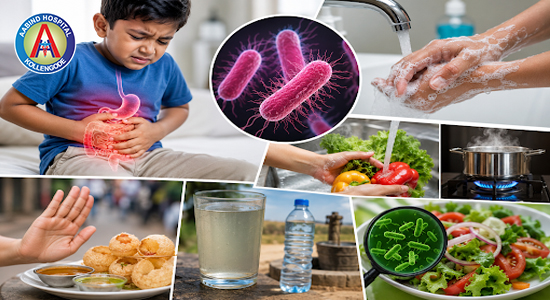
Recent reports of increasing Shigella infections in various parts of Kerala have raised concerns among healthcare professionals and parents alike. Shigella is a highly contagious bacterial infection that can spread rapidly through contaminated food, water, and poor hygiene practices. While anyone can become infected, young children, older adults, and individuals with weakened immune systems are particularly vulnerable.
Understanding how Shigella spreads and adopting proper food and water safety measures can significantly reduce the risk of infection.
In this guide, healthcare experts at Aabind Hospital explain the essential preventive measures every family should know to protect their loved ones from Shigella infection.
Shigella is a group of bacteria that causes an intestinal infection known as shigellosis. The infection primarily affects the digestive tract and can lead to symptoms ranging from mild diarrhea to severe gastrointestinal illness.
Shigella spreads through the faecal-oral route, meaning bacteria from an infected person’s stool can contaminate food, water, surfaces, or hands and then enter another person’s body.
Because only a small number of bacteria are needed to cause infection, Shigella can spread easily in homes, schools, daycare centers, and crowded environments.
Health authorities have observed periodic outbreaks of Shigella infections, especially in areas where sanitation challenges, contaminated water supplies, or inadequate food handling practices exist.
Several factors contribute to the spread of Shigella:
Children are among the most commonly affected groups because they frequently come into close contact with one another and may not always practice proper hygiene.
Symptoms usually develop within one to three days after exposure.
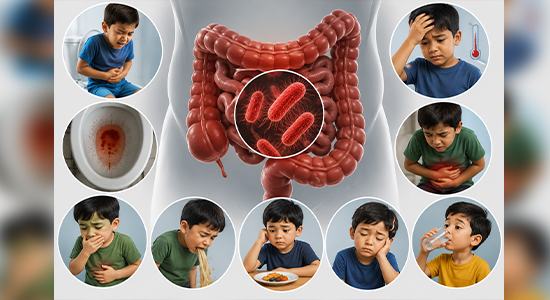
Young children may become dehydrated quickly, making early recognition and treatment essential.
Understanding transmission is the first step toward prevention.
Water contaminated with human waste can carry Shigella bacteria. Drinking untreated water or using contaminated water for cooking can increase infection risk.
Food can become contaminated during preparation if proper hygiene practices are not followed.
Common sources include:
The infection can spread through direct contact with an infected individual, especially in households and childcare settings.
Shigella bacteria can survive on surfaces and objects that have been touched by infected individuals.
Proper food hygiene plays a critical role in preventing gastrointestinal infections.
Fresh produce should always be washed under clean running water before consumption.
This helps remove:
Extra care should be taken when preparing food for children.
Proper cooking kills harmful bacteria.
Important Recommendations:
Food that has been left at room temperature for extended periods should be discarded.
Cross-contamination occurs when bacteria transfer from one surface or food item to another.
To Prevent Cross-Contamination:
Food should be stored at appropriate temperatures to prevent bacterial growth.
Best Practices:
Safe drinking water is one of the most effective defenses against Shigella infection.
Families should ensure drinking water comes from reliable sources.
Recommended Options:
Boiling water remains one of the simplest and most effective ways to kill harmful microorganisms.
Even clean water can become contaminated during storage.
Safe Water Storage Tips:
Travel Safety Tips:
Handwashing remains one of the most effective methods for preventing Shigella infection.
Always wash hands:
Teaching children proper handwashing habits can significantly reduce infection risk.
Children often experience the highest rates of infection during outbreaks.
Parents Can Help By:
Schools and daycare centers should also promote hygiene awareness and regular cleaning practices.
While no prevention strategy offers 100% protection, maintaining proper hygiene, safe food preparation practices, and access to clean drinking water can dramatically reduce the risk of infection.
Community awareness, sanitation improvements, and prompt medical care remain essential in controlling outbreaks and protecting public health.
If your child or a family member experiences symptoms such as persistent diarrhea, fever, abdominal pain, bloody stools, or signs of dehydration, do not delay seeking medical attention.
At Aabind Hospital, Palakkad, our experienced Pediatricians and General Physicians provide comprehensive diagnosis, treatment, and preventive guidance for infectious diseases and digestive health concerns.
Book an appointment today for expert medical care and personalized guidance on keeping your family safe and healthy.
Yes. Previous infection does not provide complete immunity, so children and adults can become infected again if exposed to the bacteria.
Currently, there is no widely available vaccine approved for routine prevention of Shigella infection. Prevention mainly relies on hygiene and sanitation practices.
Yes. Swimming pools contaminated with infected stool can spread Shigella, particularly if proper water treatment and hygiene measures are not maintained.
Young children, older adults, pregnant women, and people with weakened immune systems are more likely to experience severe symptoms and complications.
Yes. Pregnant women can develop Shigella infection, which may lead to dehydration and other complications if not treated promptly.
Schools can reduce transmission by promoting handwashing, ensuring clean restroom facilities, disinfecting shared surfaces, and encouraging sick children to stay home until they recover.
In some cases, untreated Shigella infection can lead to severe dehydration, bloodstream infections, seizures in young children, or other serious health complications.
Shigella infections may increase during warmer months and periods when food and water contamination are more likely, though infections can occur throughout the year.
Parents should ensure children drink safe water, eat freshly cooked food, avoid raw foods from unknown sources, and practice frequent handwashing during travel.
