13 Oct 2026

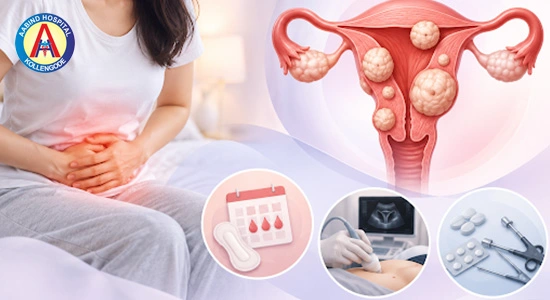
Uterine fibroids are non-cancerous growths in or around the uterus that may cause heavy periods, pelvic pain, and frequent urination. Diagnosis usually involves an ultrasound scan, and treatment options include monitoring, medication, and surgery, depending on symptoms and individual needs.
Uterine fibroids are a common gynaecological condition that can affect women during their reproductive years. Although these growths are generally benign, their size, number and location can influence menstrual health, daily comfort and, in some cases, reproductive health.
Some women may have uterine fibroids without experiencing noticeable symptoms, while others may experience heavy periods, persistent pelvic discomfort or pressure on nearby organs. Understanding the symptoms of uterine fibroids, how they are diagnosed and the available treatment options can help women make informed decisions about their health.
If you notice changes in your menstrual cycle or experience persistent pelvic pain, consulting a gynaecologist can help identify the underlying cause and determine the most appropriate care.
Uterine fibroids, also known as leiomyomas or myomas, are growths that develop from the muscular tissue of the uterus. They are usually benign, meaning they are not cancerous.
Fibroids may develop as a single growth or as multiple growths. Some remain small for years, while others increase in size. Their effects depend largely on where they develop and whether they affect the uterine cavity or press against surrounding organs.
Fibroids can occur during the reproductive years, and not every woman who has them will need treatment. A gynaecologist can assess the condition and recommend an appropriate approach based on symptoms, scan findings and future pregnancy plans.
Types of uterine fibroids
The position of a fibroid often matters more than its size in deciding which symptoms you get and which treatment suits you.
| Type | Where it grows | What it may cause |
|---|---|---|
| Intramural | Inside the muscle wall of the uterus (the most common type) | Heavy or long periods, an enlarged uterus |
| Subserosal | On the outer surface of the uterus, growing into the pelvis | Pelvic pressure, bladder or bowel pressure, a swollen lower abdomen |
| Submucosal | Just under the inner lining, bulging into the uterine cavity | The heaviest bleeding; may affect conception or pregnancy |
| Pedunculated | Attached by a thin stalk, inside or outside the uterus | Sudden pain |
Symptoms of uterine fibroids
Many women with fibroids have no symptoms and find out only during a routine scan. When symptoms do occur, they depend on the size, number and position of the fibroids:
The exact cause of uterine fibroids is not fully understood. Research suggests that hormonal influences, genetic factors and other biological processes may contribute to their development.
Factors associated with fibroids include:
Fibroids often become smaller after menopause as reproductive hormone levels decline. However, new or persistent bleeding after menopause should always be assessed by a healthcare professional.
How are uterine fibroids diagnosed?
Diagnosis usually starts with a conversation about your periods and symptoms, followed by a pelvic examination. Your doctor may then advise one or more of these tests:
| Test | What it shows |
|---|---|
| Pelvic ultrasound (abdominal or transvaginal) | The usual first test. Shows the number, size and position of fibroids. Available through our Radiology department. |
| Blood tests (haemoglobin, ferritin) | Checks for anaemia and iron deficiency caused by heavy bleeding |
| MRI scan | A detailed map of the fibroids when the picture is complex or surgery is being planned |
| Hysteroscopy or saline sonography | Looks inside the uterine cavity, mainly to assess submucosal fibroids |
Fibroids are often found by chance during a scan done for another reason. If you have no symptoms, a fibroid usually needs nothing more than periodic follow-up.
The appropriate treatment for uterine fibroids depends on their size, number, location, associated symptoms, age and future pregnancy plans. Fibroids that cause no significant symptoms may only require periodic monitoring.
1. Monitoring Without Immediate Treatment
If fibroids are small or do not cause troublesome symptoms, the doctor may recommend observation and follow-up. This approach avoids unnecessary intervention while allowing changes in symptoms or fibroid size to be assessed when clinically appropriate.
2. Medication
Medication may help manage symptoms such as heavy menstrual bleeding and menstrual pain. Depending on the individual’s needs, a doctor may consider hormonal treatments, non-hormonal medicines or medication that temporarily suppresses reproductive hormones.
These treatments do not all work in the same way. Some control bleeding or pain without removing fibroids, and some may reduce fibroid size temporarily. Medication should be selected by a qualified healthcare professional.
3. Myomectomy
Myomectomy is a procedure that removes fibroids while preserving the uterus. It may be considered for women with significant symptoms or certain fertility-related concerns.
Depending on the size and location of the fibroids, the procedure may be performed through hysteroscopy, laparoscopy or open surgery. Suitability, potential benefits and risks should be discussed with the treating gynaecologist.
4. Hysterectomy
Hysterectomy involves the surgical removal of the uterus. It is a definitive treatment for uterine fibroids and may be considered when symptoms are severe, other treatments are unsuitable or previous treatment has not been effective.
Because pregnancy is no longer possible after hysterectomy, the decision requires careful discussion of the patient’s health, preferences and future reproductive plans.
5. Other Treatment Procedures
In selected cases, other procedures may be considered depending on local availability and clinical suitability. These include uterine artery embolisation, which reduces the blood supply to fibroids, and certain image-guided or energy-based treatments.
The benefits, limitations and possible effects on future pregnancy vary between procedures. A specialist can explain which options are appropriate for an individual patient.
Some women with uterine fibroids conceive and have healthy pregnancies. However, the effect of fibroids on fertility and pregnancy depends on their size and location.
Fibroids that distort the uterine cavity may affect implantation or contribute to certain pregnancy complications. Other fibroids may have little or no impact.
Women planning a pregnancy who have been diagnosed with fibroids should discuss their scan findings with a gynaecologist, ideally as part of a pre-pregnancy check-up. Treatment is not always necessary before conception, and the decision should consider potential benefits, risks and reproductive goals.
Can fibroids be prevented?
There is no proven way to prevent fibroids. Keeping a healthy weight, eating plenty of fruit and vegetables, staying active and having regular gynaecological check-ups help you catch problems early. Heavy periods can also be caused by other conditions, such as PCOS or hormonal changes around menopause, so a proper examination is the only way to know the cause.
Arrange a medical consultation if you experience:
Seek urgent medical attention for very heavy bleeding accompanied by faintness, severe or sudden pelvic pain, or symptoms such as marked dizziness and weakness.
Early assessment can help identify the cause of symptoms and determine whether treatment is needed.
Uterine fibroids can affect menstrual health, daily comfort and, in some cases, fertility. Recognising the symptoms and seeking timely medical advice can help you understand your condition and explore suitable treatment options. With the right evaluation and personalised care, fibroids can be managed according to your individual health needs.
Some fibroids remain stable, and many shrink after menopause. They do not all disappear on their own. Follow-up depends on symptoms and the doctor’s assessment.
No. Fibroids that do not cause significant symptoms may only need monitoring. Medication or procedures may be considered when symptoms, fibroid location or other clinical factors warrant treatment.
Yes. Fibroids, especially those that affect the uterine cavity, can contribute to heavy or prolonged menstrual bleeding. Other causes of abnormal bleeding should also be considered.
Yes, many women with fibroids become pregnant. The effect on fertility depends on the fibroids’ size and location, so an individual assessment is important.
Ultrasound is commonly used to identify and measure uterine fibroids. An MRI or another investigation may be recommended when more detailed information is needed.
Treatment may be appropriate when fibroids cause heavy bleeding, anaemia, persistent pain, pressure symptoms, fertility concerns or other complications. The decision depends on individual circumstances.
Fibroids often shrink after menopause, but growth patterns can vary. New or persistent bleeding after menopause, or other concerning changes, requires prompt medical evaluation.
Experiencing heavy periods, pelvic pain or other symptoms of uterine fibroids? Consult the gynaecology team at Aabind Hospital for an appropriate evaluation and guidance on available treatment options. Book your appointment today and take a proactive step towards better women’s health.
Contact Aabind Hospital to schedule your consultation.
