23 Nov 2026

A premature baby is born before 37 weeks of pregnancy. Care focuses on warmth, breast milk feeding, Kangaroo Mother Care (skin-to-skin contact), infection prevention and regular follow-ups. Seek urgent medical help for breathing difficulty, fever or low body temperature, poor feeding or unusual sleepiness.
A baby’s arrival is a special moment for every family. However, when a baby is born earlier than expected, parents may have concerns about feeding, breathing, growth, body temperature and overall health. Premature babies often need additional medical attention, careful monitoring and specialised newborn care during their early days and months.
Premature birth can also bring emotional and physical challenges for mothers. From pregnancy monitoring and identifying risk factors to newborn care and post-delivery recovery, medical support for both mother and baby plays an important role.
At Aabind Hospital, Kollengode, the Mother and Child Care team supports mothers through pregnancy, childbirth and newborn care. Understanding premature baby care, following medical guidance and attending regular check-ups can help parents feel more confident throughout this journey.
Preterm birth can happen for several reasons, and sometimes the exact cause is not known. Certain maternal health conditions, pregnancy complications and other risk factors can increase the chance of early delivery.
Common risk factors include:
Regular antenatal check-ups in each trimester help your doctor identify risks early, and fetal medicine assessments can monitor your baby’s growth when the risk is higher. If you have had a preterm birth before, a pre-pregnancy check-up can help you plan your next pregnancy.
If you are at high risk of early delivery, speak to your obstetrician early about where to deliver. Very preterm babies need a hospital with neonatal intensive care facilities.
Preterm birth can happen for several reasons. In some cases, the exact cause is not known. Certain maternal health conditions, pregnancy complications and other risk factors can increase the possibility of early delivery.
Some common risk factors include:
Regular antenatal check-ups help healthcare professionals identify potential risks and monitor the health of both mother and baby. If there is a risk of early delivery, the obstetric team can recommend appropriate care based on the mother’s condition and stage of pregnancy.
Pregnancy care is an important part of supporting maternal and newborn health. Regular antenatal consultations help monitor the mother’s health, assess the baby’s growth and identify potential pregnancy complications.
At Aabind Hospital, Dr. Aaba S Dev, Gynaecologist, can guide mothers through pregnancy-related concerns, antenatal monitoring and the management of pregnancy complications that may increase the risk of preterm birth.
Gynaecological and obstetric care during pregnancy may involve:
If a mother is at increased risk of premature delivery, timely medical assessment and appropriate hospital care can help the healthcare team prepare for the needs of both mother and newborn.
Premature babies may face certain health challenges because their organs and body systems are still developing. Not every premature baby experiences these complications, and the risks vary depending on how early the baby is born.
The lungs may not be fully developed in babies born early. Some premature babies may experience breathing difficulties and require oxygen or other respiratory support under medical supervision.
Premature babies often have less body fat and may struggle to maintain a normal body temperature. They may need an incubator or another form of temperature support.
Some premature babies may not have developed the coordination needed to suck, swallow and breathe effectively during feeding. They may need expressed breast milk and assisted feeding until they are ready to feed directly.
A premature baby’s immune system may not be fully developed, making infections a particular concern. Careful hand hygiene, clean surroundings and medical monitoring are important.
Newborn jaundice is common, and premature babies may be more likely to develop it. It occurs when bilirubin builds up in the blood. Doctors may recommend monitoring and phototherapy depending on the bilirubin level and the baby’s condition.
Some premature babies may need additional monitoring of their vision, hearing, movement, learning and overall development. Regular developmental assessments help identify concerns early and guide appropriate support.
Premature baby care depends on the baby’s gestational age, birth weight and medical condition. Some babies need close observation, while others may require specialised neonatal care.
Common aspects of premature baby care include:
The treating medical team decides the appropriate care plan according to the baby’s individual needs.
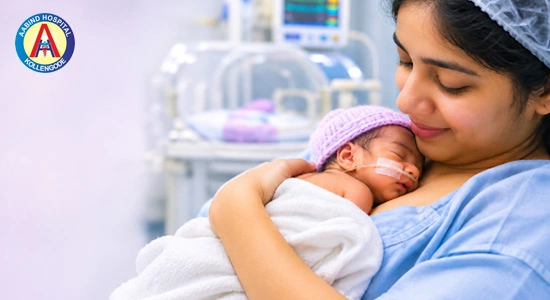
Kangaroo Mother Care (KMC) is an important method of caring for premature and low-birth-weight babies. It involves placing the baby in direct skin-to-skin contact against the parent’s chest, along with breast milk feeding and continued medical follow-up.
Kangaroo Mother Care offers several benefits:
KMC should be started as early as possible when appropriate, with guidance from healthcare professionals. Parents should learn the correct positioning and safety practices from the medical team. It is not a replacement for necessary medical treatment or monitoring.
Nutrition plays an important role in the growth and development of premature babies. Breast milk is generally the preferred source of nutrition because it provides important nutrients and protective components.
However, some premature babies may initially find direct breastfeeding difficult.
Depending on the baby’s condition, feeding may involve:
Parents should follow the feeding plan advised by the healthcare team. Avoid changing feeding amounts, introducing formula or giving supplements without medical guidance.
Bringing a premature baby home is an important milestone. Parents may need time to become comfortable with the baby’s feeding routine, sleep patterns and special care requirements.
The following practices can help support safe care at home.
1. Maintain Good Hand Hygiene
Wash your hands thoroughly before touching or feeding your baby. Ask visitors to follow proper hygiene practices and avoid contact when they are unwell.
2. Follow the Recommended Feeding Schedule
Feed your baby according to the instructions provided by the doctor. Monitor feeding patterns and discuss any difficulty with breastfeeding, reduced feeding or repeated vomiting.
3. Keep Your Baby Warm
Premature babies may need additional help maintaining their body temperature. Follow the doctor’s advice on clothing, room temperature and skin-to-skin care.
4. Attend All Follow-Up Appointments
Regular check-ups help monitor weight gain, feeding, growth and development. Do not skip appointments even if your baby appears healthy.
5. Follow Safe Sleep Practices
Place your baby on their back for every sleep on a firm, flat and separate sleep surface. Keep pillows, loose blankets, toys and other soft objects out of the baby’s sleep area.
6. Protect Your Baby from Infections
Limit exposure to crowded places and people who are sick. Follow the vaccination schedule and ask your doctor whether any extra preventive measures are needed.
7. Observe Your Baby’s Behaviour
Pay attention to feeding, activity, breathing, sleep and urine output. If you notice unusual changes, contact a healthcare professional.
Premature babies may be more vulnerable to infections and other health problems. Parents should know the warning signs that require immediate medical attention.
Seek urgent medical care if your baby has:
Do not wait for symptoms to become severe before seeking medical advice.
Premature babies may need more frequent health assessments than babies born at full term. Follow-up appointments help doctors understand how the baby is growing and whether additional support is needed.
During these visits, healthcare professionals may assess:
Doctors may also use corrected age when assessing developmental milestones. Corrected age accounts for how many weeks early the baby was born and can provide a more appropriate comparison during the first years of development.
Parents should discuss their baby’s individual follow-up schedule with the treating doctor.
Parents play an important role in supporting their baby’s growth and development. Along with medical care, simple daily interactions can help create a nurturing environment.
Every premature baby develops differently. Avoid comparing your baby’s progress with that of other children.
Caring for a premature baby can bring challenges, questions and emotional moments for parents. Understanding your baby’s needs, following medical advice and attending regular check-ups can make this journey more manageable.
At Aabind Hospital, Kollengode, our Mother and Child Care team supports mothers during pregnancy and provides healthcare for newborns and children, with a focus on maternal well-being, newborn health, feeding, growth and development.
Have concerns about your pregnancy or your baby’s health? Contact Aabind Hospital to schedule a gynaecology or paediatric consultation.
No. The need for neonatal intensive or special care depends on the baby’s gestational age, birth weight, breathing, feeding and overall medical condition. Some babies require intensive monitoring, while others may need less specialised observation and support.
Yes. Breast milk is generally recommended for premature babies. Some may initially need expressed breast milk or assisted feeding until they develop the ability to breastfeed effectively.
Kangaroo Mother Care involves skin-to-skin contact and breast milk feeding. It helps support temperature regulation, breastfeeding, bonding and the overall well-being of premature and low-birth-weight babies.
Many premature babies grow and develop well. However, some may need additional monitoring or early intervention depending on their gestational age and medical history. Regular developmental follow-ups are important.
The follow-up schedule depends on the baby’s health, birth history and medical needs. The treating doctor will recommend how frequently the baby should be examined.
Corrected age is calculated by subtracting the number of weeks a baby was born early from their chronological age. Healthcare professionals may use it to assess growth and developmental milestones during early childhood.
Discharge depends on the baby’s medical condition rather than a fixed age or weight alone. The baby generally needs to maintain body temperature, feed adequately, show stable health and have an appropriate follow-up plan before going home.
